Cassia Refined
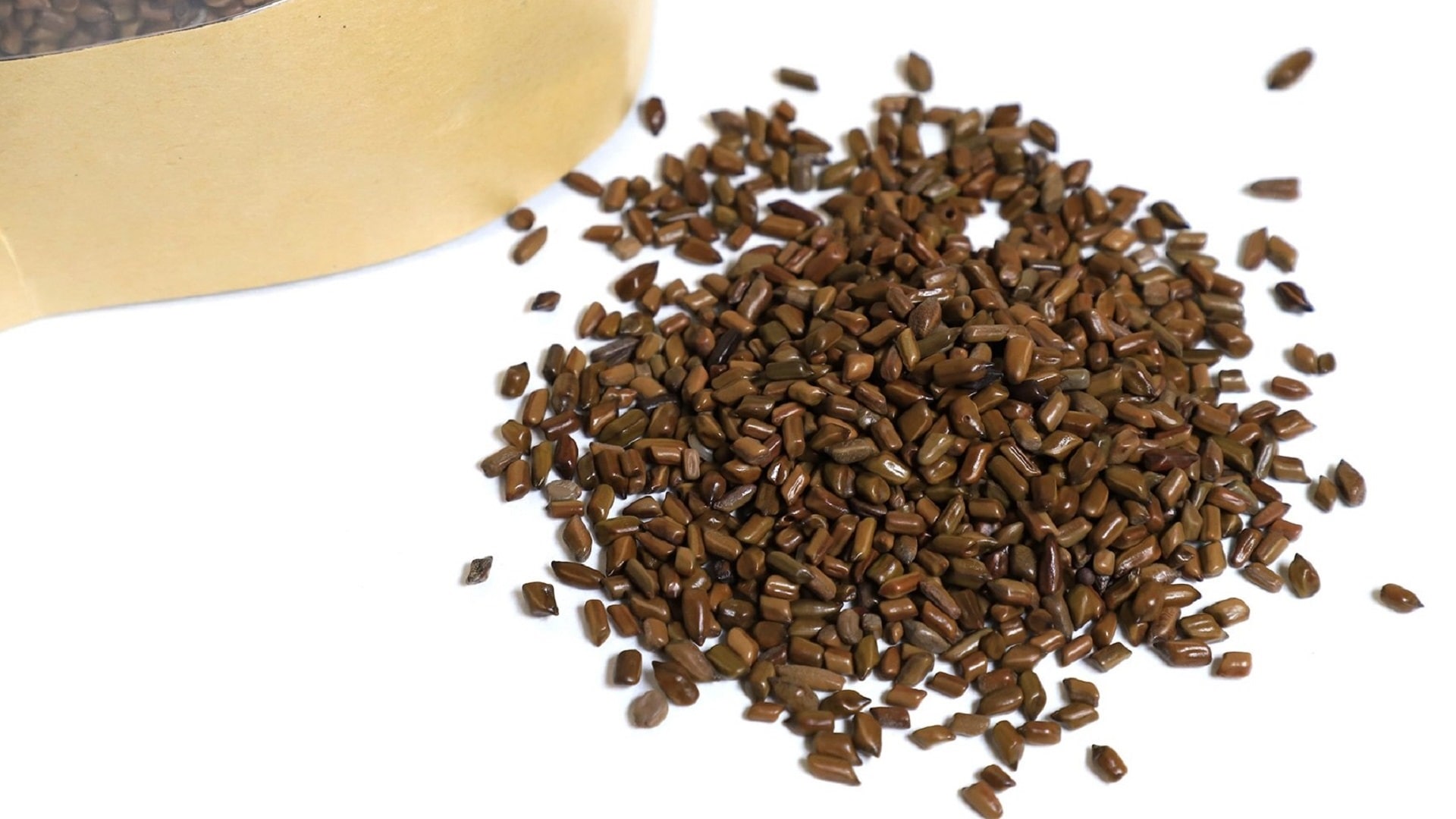
Cassia gum is primarily the ground purified endosperm of the seeds of C. tora and C. obtusifolia, (Fam. Leguminosae) containing less than 0.1% of C. occidentalis. The seeds are dehusked and de-germed by thermal mechanical treatment followed by milling and screening of the endosperm. The ground endosperm is further purified by extraction with isopropanol.
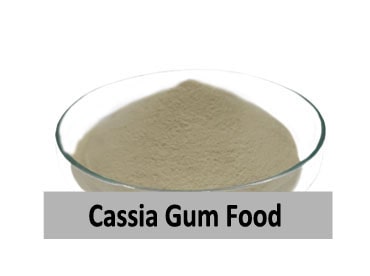
Cassia gum is pale yellow to off-white, odorless free-flowing powder. It forms colloidal solutions in cold water.
Cassia gum is related to carob bean gum, tara gum and guar gum in terms of structure and chemical properties. Semi-refined Cassia gum normally containing detectable amounts of anthraquinones has been accepted for use in pet food by several countries.
The intended use of Cassia gum is as thickener, emulsifier, foam stabilizer, moisture retention agent and/or texturizing agent in cheese, frozen dairy desserts and mixes, meat products and poultry products.
Cassia gum is comprised of at least 75% high molecular weight (approximately 200,000-300,000) polysaccharide consisting primarily of a linear chain of 1,4-β-D-mannopyranose units with 1,6 linked αD-galactopyranose units. The ratio of mannose to galactose is about 5:1. The composition of saccharides is: mannose (77.2-78.9 %), galactose (15.7-14.7 %) and glucose (7.1-6.3 %). Like most polysaccharides, the following formula applies: (C6H10O5)n.HO.
Cassia Gum is being widely used across the world and is highly demanded. Cassia having serveral grades has application in personel & home care industry, food additives, texturizing system for cream cheese, hydrocolloid system for cooked meat, scalded sausage, fruit leather, gelling system, water retention system, gravy system for wet pet food.